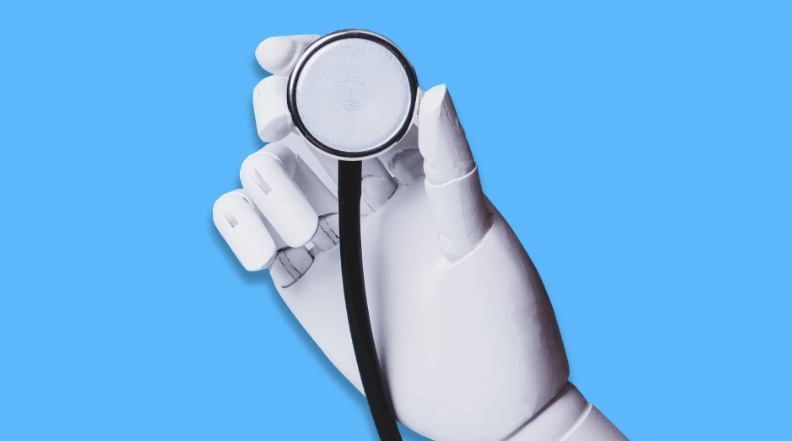
Artificial intelligence enhances diagnostic accuracy and enables earlier detection through analysis of complex data beyond human limits. It supports consistent interpretations, reduces variability, and speeds decision-making. AI also personalizes treatment using patient-specific data, genetics, and medical history. In monitoring and care coordination, it prioritizes alerts and streamlines communications. When paired with transparent governance and strong privacy safeguards, AI fosters trust and high-quality, patient-centered care—yet questions remain about implementation, validation, and long-term impact.
How AI Elevates Diagnostic Accuracy and Early Detection
AI systems enhance diagnostic accuracy and enable earlier detection by systematically analyzing complex medical data that exceed human capabilities. The approach minimizes variability across cases, supporting consistent interpretations.
However, diagnostic biases may arise if training data lack representativeness.
Algorithm transparency is essential for trust, enabling independent validation and critique, thereby guiding responsible deployment and continuous improvement in clinical decision support.
Personalizing Treatment With Ai-Driven Insights
Personalizing treatment with AI-driven insights leverages patient-specific data to tailor therapies, dosages, and monitoring plans for individual needs. This approach analyzes heterogeneous data, including genetics and history, to optimize outcomes while reducing adverse events. However, it requires robust privacy safeguards and clear data ownership policies to sustain trust, ensure consent, and support transparent decision-making within clinical practice.
AI in Patient Monitoring and Care Coordination
The integration of AI into patient monitoring and care coordination enables continuous, real-time assessment of health status and seamless communication across care teams. AI enhances remote monitoring through patient wearables, increasing data interoperability and privacy safeguards. It reduces clinician workload by prioritizing alerts, yet mitigates alert fatigue, supporting proactive interventions while maintaining patient autonomy and safety within a coordinated, evidence-based care framework.
Navigating Ethics, Privacy, and Validation in AI Healthcare
As healthcare systems expand the use of intelligent tools for monitoring and coordination, the ethical, privacy, and validation dimensions become central to ensuring trust and accountability. This examination notes that transparent governance, robust privacy safeguards, and independent validation foster user confidence. It also emphasizes bias mitigation, reproducibility, and ongoing risk assessment to align AI deployment with patient autonomy and high-quality care.
Frequently Asked Questions
How Is AI Regulated Across Different Countries in Healthcare?
Regulation varies by country, reflecting distinct governance models and risk tolerances. AI ethics and data governance frameworks converge on transparency, accountability, and patient safety, though implementation differs; cross-border alignment remains limited, complicating compliance and global deployment.
What Are Costs and ROI of AI Implementations in Clinics?
Coincidence frames costs and ROI: AI implementations in clinics show initial capital plus integration expenses, but long-term savings through workflow efficiencies and improved outcomes often yield favorable cost ROI; careful clinic budgeting enables sustainable adoption and measurable value.
Can AI Replace Human Physicians in Diagnosis and Care?
AI cannot fully replace human physicians in diagnosis and care; it supports decision-making. There are limits, requiring robust AI ethics and data interoperability to ensure safe, transparent, and patient-centered outcomes while preserving professional judgment and autonomy.
See also: The Benefits of Artificial Intelligence in Retail
How Do Patients Access Ai-Driven Health Insights Securely?
Access is gained via authenticated portals and multi-factor verification; data is encrypted in transit and at rest. The framework emphasizes secure access and patient privacy, with auditable logs, consent controls, and ongoing risk assessment to protect autonomy.
What Training Do Clinicians Need for AI Tools?
Break a leg: clinicians require structured training on AI tools, focusing on data interpretation, bias awareness, and governance. Training needs align with clinical workflows, ensuring integration with decision supports while preserving professional autonomy and evidence-based practice.
Conclusion
In the quiet hum of hospital systems, AI operates like a patient, learning from every data point and each heartbeat of care. It sharpens diagnosis, ignites earlier detection, and tailors therapies with patient-specific clarity. Yet behind the numbers lie guardrails—validation, privacy, ethics—that steady its course. When governed transparently, AI becomes a trusted ally, not a rumor in the scanner’s glow, shaping a future where precision medicine and compassionate care move in synchronized, evidence-based harmony.